

Rhode Island Infrastructure Bank Logo

Clean Energy Fund (CEF)

The Clean Energy Fund (CEF) makes attractive, long-term financing available to public and private borrowers for the completion of energy efficiency and renewable energy projects.

$20M+

Recent financing

Conservative slice of RIIB clean-energy lending; confirm with RIIB

Public + private

Borrower types

Broad eligibility

Competitive

Interest

Program rates

1+ yr

Terms

Up to useful life

Ready to apply

Clean Energy Fund application

For construction and implementation of clean and renewable energy projects and energy efficiency measures. Eligible borrowers include municipal and taxable authorities, public entities, and not-for-profit borrowers.

  • Also related: Energy Efficiency Revolving Loan Fund

    For entities applying for financing for energy efficiency and renewable energy projects.

Not sure this is the right form? Check eligibility or browse all application forms.

Eligibility

Who can apply

Public and private borrowers pursuing eligible energy efficiency, renewable energy, and certain emerging technologies with high upfront cost, per program policies.

Use of funds

Eligible projects include measures that conserve energy or produce clean energy, including emerging technologies, with financing structured over terms as short as one year or as long as the asset’s useful life, with interest that may be capitalized during construction.

Requirements

Follow program policies, procurement requirements, and the published application process. Use program contacts for scoping and intake questions.

Additional services: free energy audits and limited energy consulting may be available; contact the program for details. The Energy Asset Management Program (EAMP) offers public entities free consulting to develop a customized plan to manage energy assets.

Program stories

View all stories
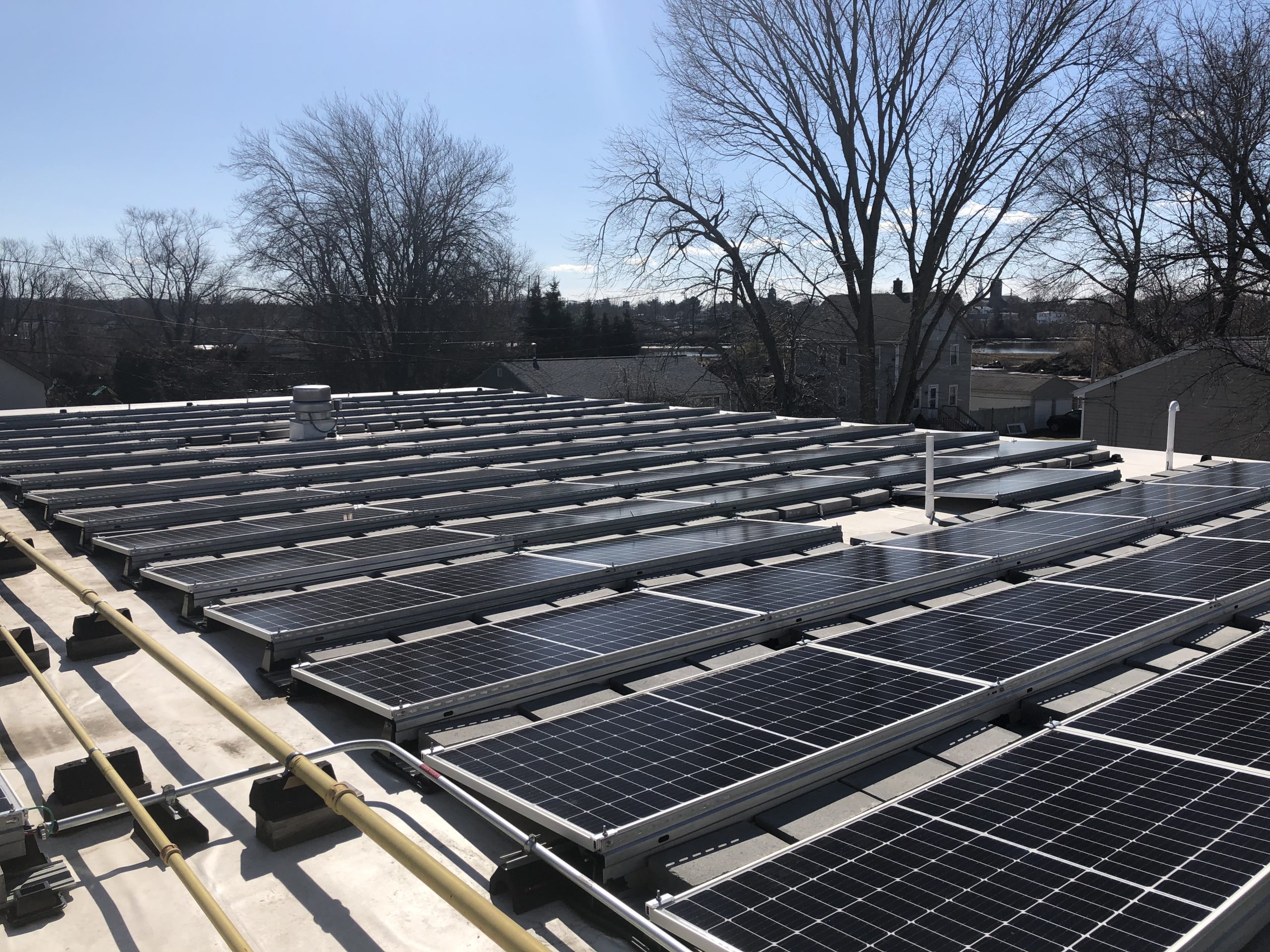
  • Rhode Island’s First Battery Storage Facility

    Partner Pascoag Utility District Challenge: Pascoag Utility District supplies power to approximately 5,000 customers in Northern Rhode Island. During peak summer months, high electricity demand was putting the facility a

    Read story
  • Large Spaces, Larger Energy Savings

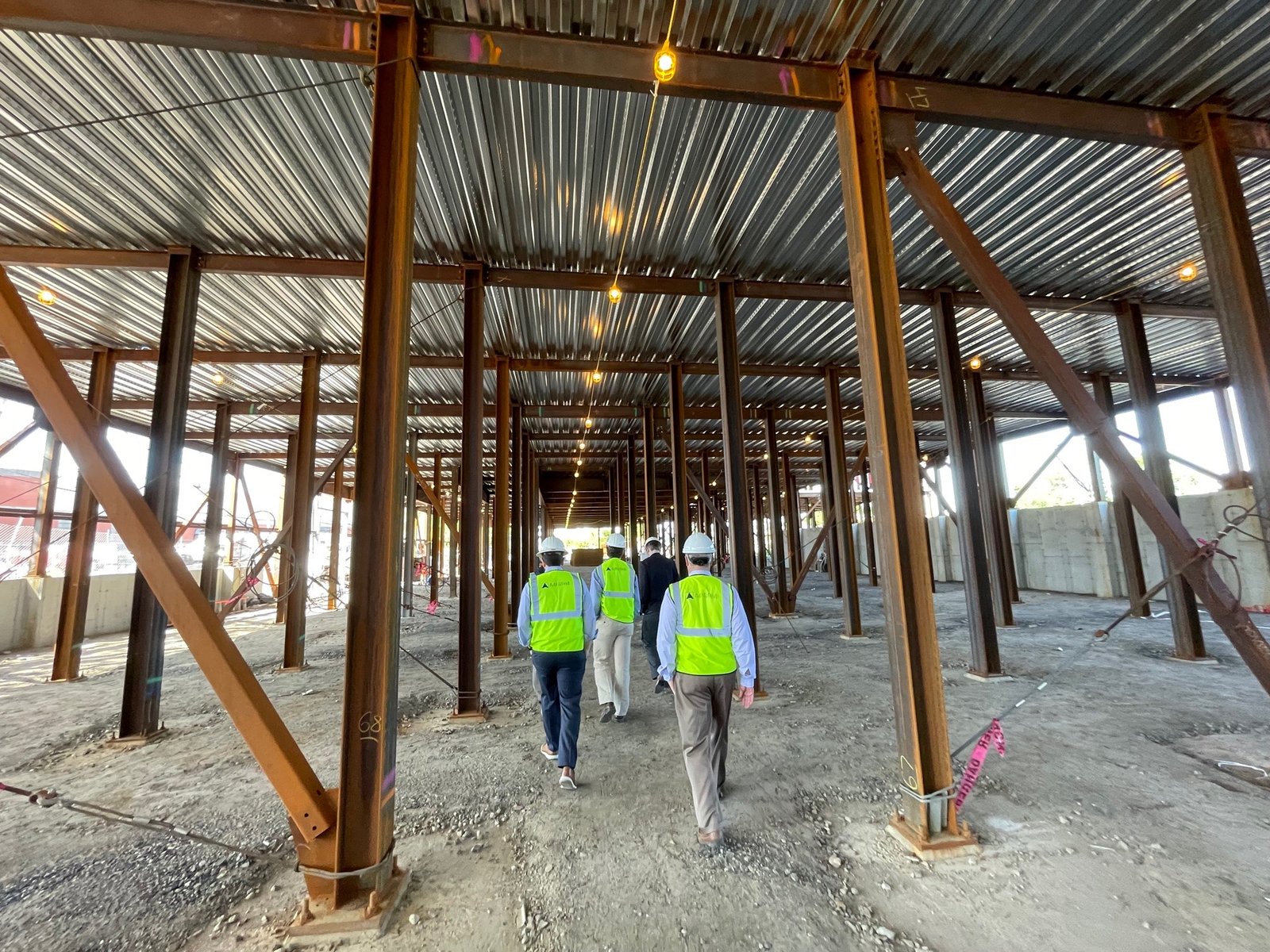
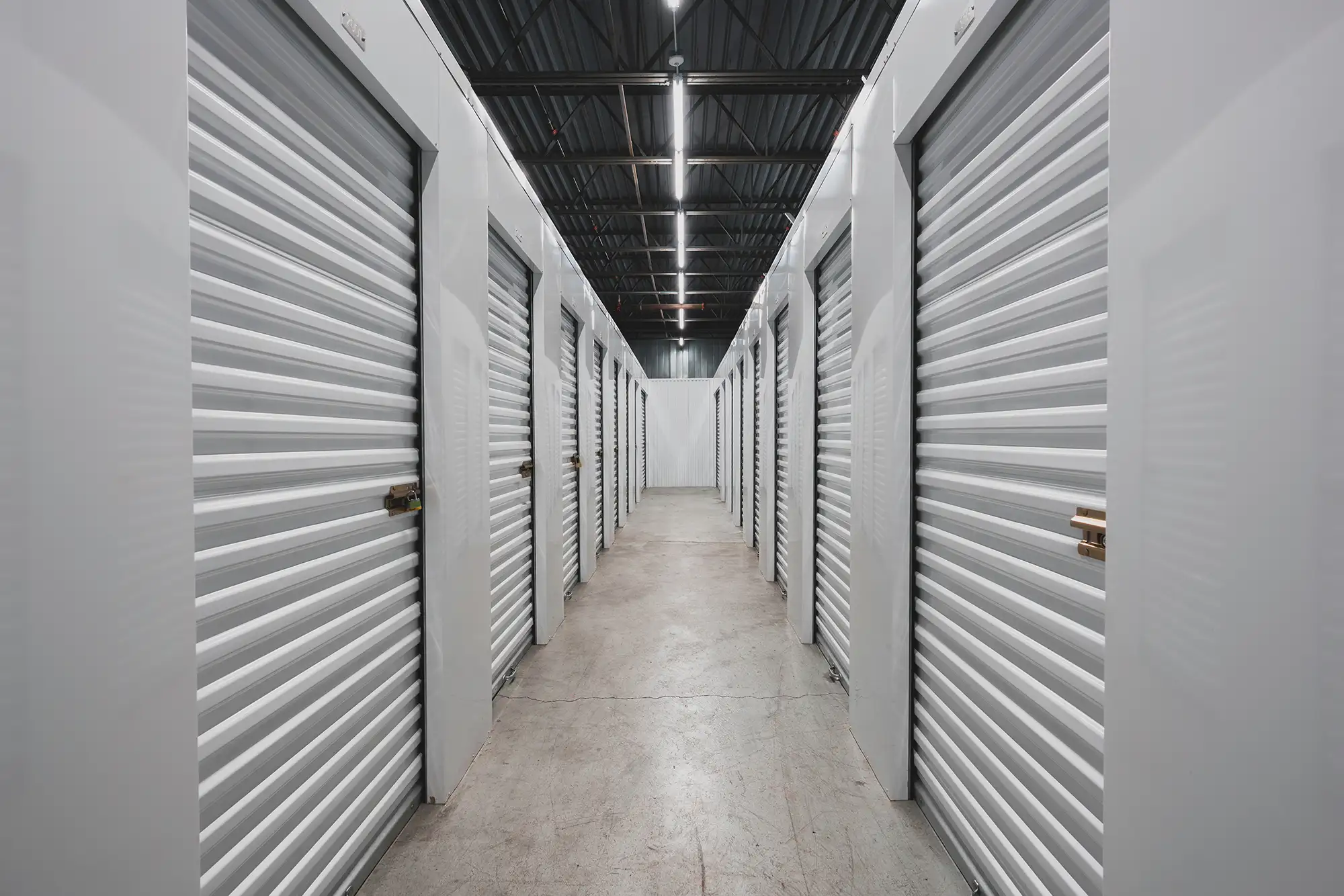
    Partner Cogent Capital Challenge: The Eddy Street Self Storage facility is a 155,850-SF warehouse and storage facility in Providence, Rhode Island. Buildings of this size and type are typically large energy consumers; th

    Read story
  • Eddy Street Self Storage Facility

    Partner Cogent Capital Challenge: The Eddy Street Self Storage facility is a 155,850-sf warehouse and storage facility in Providence, Rhode Island. Buildings of this size and type are typically large energy consumers; th

    Read story

How it works

Use the program application link in Additional resources when you are ready to apply.

  1. Eligible projects

    Financing includes measures that conserve energy or produce clean energy, and emerging technologies with high upfront cost when consistent with program guidance.

  2. Terms and rates

    Loans may be as short as one year or as long as the asset’s useful life, with interest that may be capitalized during the construction period and competitive low-interest rates.

  3. Apply

    For a financing application, use the “how to apply” link and materials in Additional resources, and contact program staff with questions.

    Resources

Additional resources

Client resources / FAQ hub

Frequently asked questions

How is CEF different from EBF?

CEF serves a broad mix of public and private borrowers, including emerging technologies with high upfront cost. EBF is focused on municipal and quasi-public energy projects. Compare eligibility to your project.

Related programs

Contact

Greg Miller

Business Development Officer

For more information about the Clean Energy Fund, please contact:

Contact

Need another program? Back to Programs