
$19.5M: Deployed through Resilient Rhody
Deployed through Resilient Rhody
Three-year capital deployed across Resilient Rhody financing.

Rhode Island Infrastructure Bank
Resilience is infrastructure.
RIIB helps cities and towns turn flood, stormwater, coastal and climate risk into funded work: workshops, grants, low interest capital and an accountable path from local hazard to built project.
Proof of motion
Over the past three years, Resilient Rhody financing has put capital to work in communities across Rhode Island.
$19.5M: Deployed through Resilient Rhody
Deployed through Resilient Rhody
Three-year capital deployed across Resilient Rhody financing.
20: Municipalities advanced
Municipalities advanced
1,424: Acres preserved
Acres preserved
100%: Hazard mitigation plans supported
Hazard mitigation plans supported
Risk to work
RIIB connects municipal planning, technical support, grant capital and low interest financing so cities and towns can act before emergency repair becomes the only option.
The goal is not another plan on a shelf.The goal is fundable infrastructure.
Step 1
Community workshops and local hazard planning turn lived experience into a project list.
Step 2
RIIB helps communities move from priority needs to eligible resilience work.
Step 3
Grants and low interest capital help municipalities build projects that protect people, property, water, roads and public assets.
Public value
Rhode Island communities are already paying for stronger storms, higher water, aging drainage and infrastructure built for a different climate. Resilient Rhody gives municipalities a practical way to move from concern to action: assess the risk, define the project, secure capital and build the work.
Impact signals
On the ground
Bristol, Rhode Island
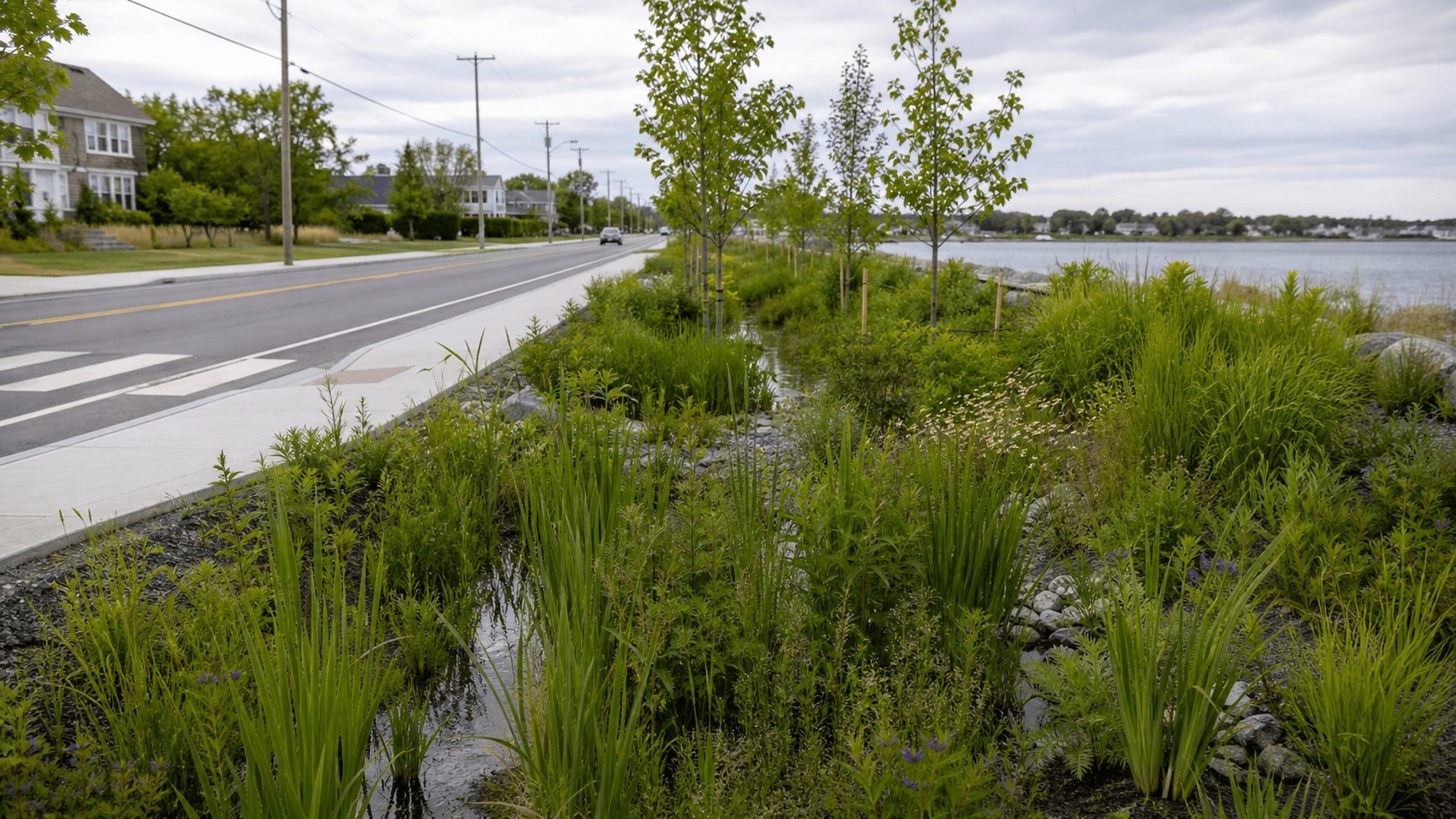
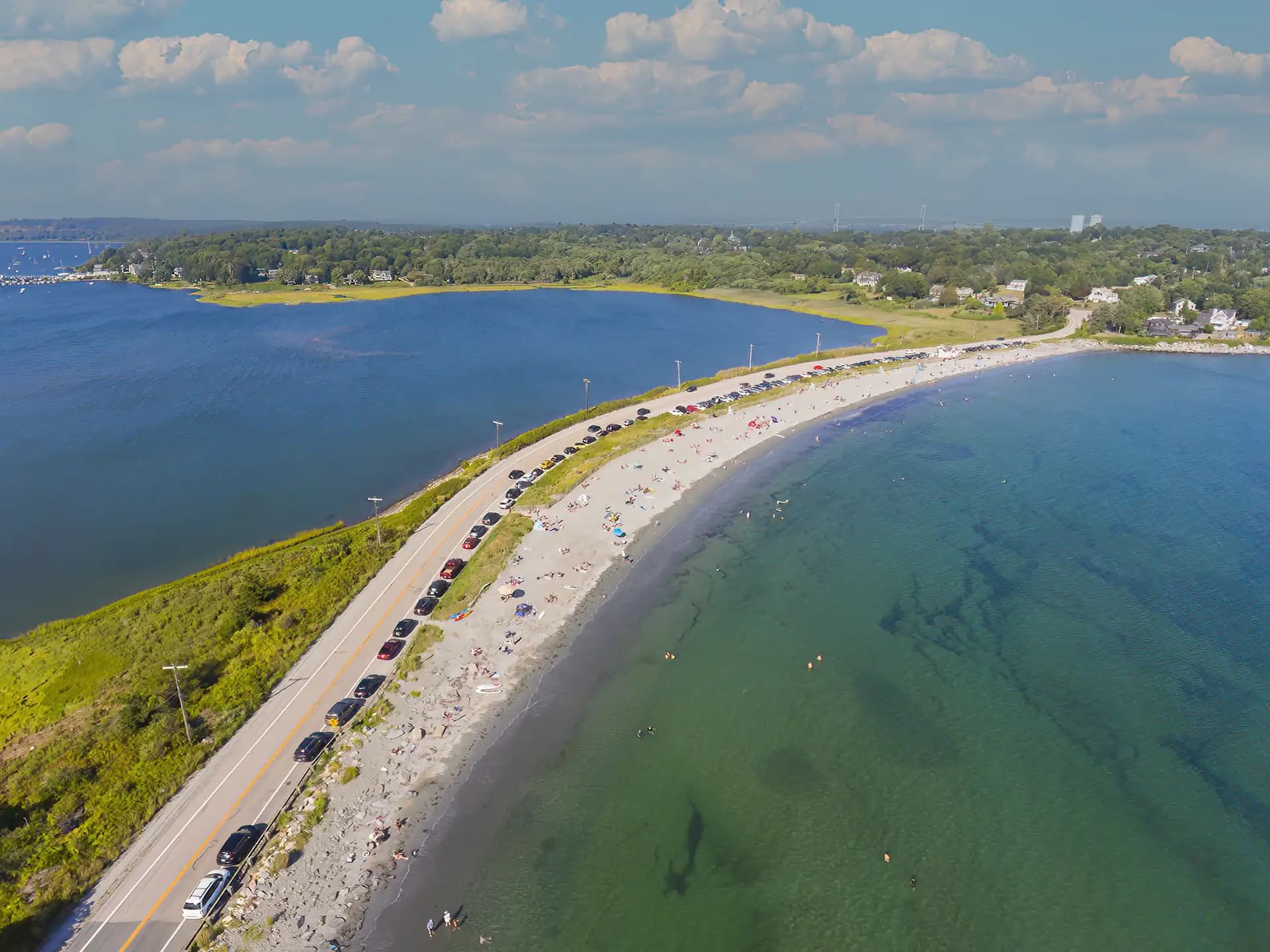
At Independence Park, resilience is not an abstraction. It is stormwater management, water quality, public access, a working harbor and a town using RIIB support to protect the place people actually use.
"Now we need to get to the point where we need to scale up."
Infrastructure that can take the next storm.
Statewide stakes
Cities and towns know the projects that have to happen. The hard part is turning urgent local risk into capital, procurement and construction. Resilient Rhody is the connective tissue: local knowledge, public purpose and a financing structure built to keep work moving.
Roads
Harbors
Water systems
Neighborhoods
Roads, bridges, harbors, neighborhoods, water systems and local finances all depend on getting ahead of the next emergency.
Program path
Review eligibility and partnership commitments, then move from workshop designation to action grants for cities and towns ready to turn risk assessment into project work.
Upfront capital for stormwater and water quality projects that protect communities and receiving waters.
Financing for contaminated sites that need remediation before they can return to productive use.
Next move
If your community has a flood, stormwater, coastal or climate resilience project, RIIB can help you identify the path from local risk to fundable work.